
Payroll is one of the most important parts of running a small business. Your team needs to be paid correctly and on time. Super needs to be recorded properly. Your books need to show clear wage and super details. Your accountant also needs clean records for BAS, tax time and reporting.
From 1st July 2026, Payday Super will start. This means employers will need to pay super at the same time they pay wages. For many small businesses, this will be a big change because super is often handled separately or paid later.
This change does not need to be scary. But it does mean business owners should prepare early. Payroll, super, cash flow and bookkeeping will need to work together more closely.
For small business owners, this can feel like one more thing to manage. You may already be dealing with customers, staff, suppliers, invoices, bookings, stock, marketing and daily admin. When payroll rules change, it can add extra pressure if your records are not organised.
The best way to prepare is to keep things simple. Check your payroll details. Review your bookkeeping process. Make sure invoices are sent on time. Keep your cash flow clear. Make sure your accounting software is set up correctly.
This blog explains what Payday Super means, why it matters for bookkeeping, and what small businesses can do now to get ready.
Payday Super means super will be paid more often. Instead of paying super quarterly, employers will need to pay it when they pay wages.
For example, if you pay your staff weekly, super will also need to be handled weekly. If you pay your staff fortnightly, super will also need to be handled every fortnight.
This makes payroll more important because the information needs to be correct before each pay run. Employee details, super fund information, pay rates, hours worked and allowances all need to be checked properly.
At the moment, some businesses leave super until later. They process wages first and then deal with super at the end of the quarter. From 1st July 2026, this habit will need to change.
This also affects cash flow. Business owners will need to make sure money is available not only for wages, but also for super at the same time. If a business is used to holding super money for a longer period, it may need to change the way it plans cash.
This is why bookkeeping matters. Your books should clearly show wages, super, bank payments and reports. If your bookkeeping is messy, it may be harder to see what has been paid and what still needs attention.
For growing businesses, this is a good time to review your whole payroll process. If your payroll is rushed, if employee records are not updated, or if reports are not checked regularly, Payday Super may create extra admin pressure.
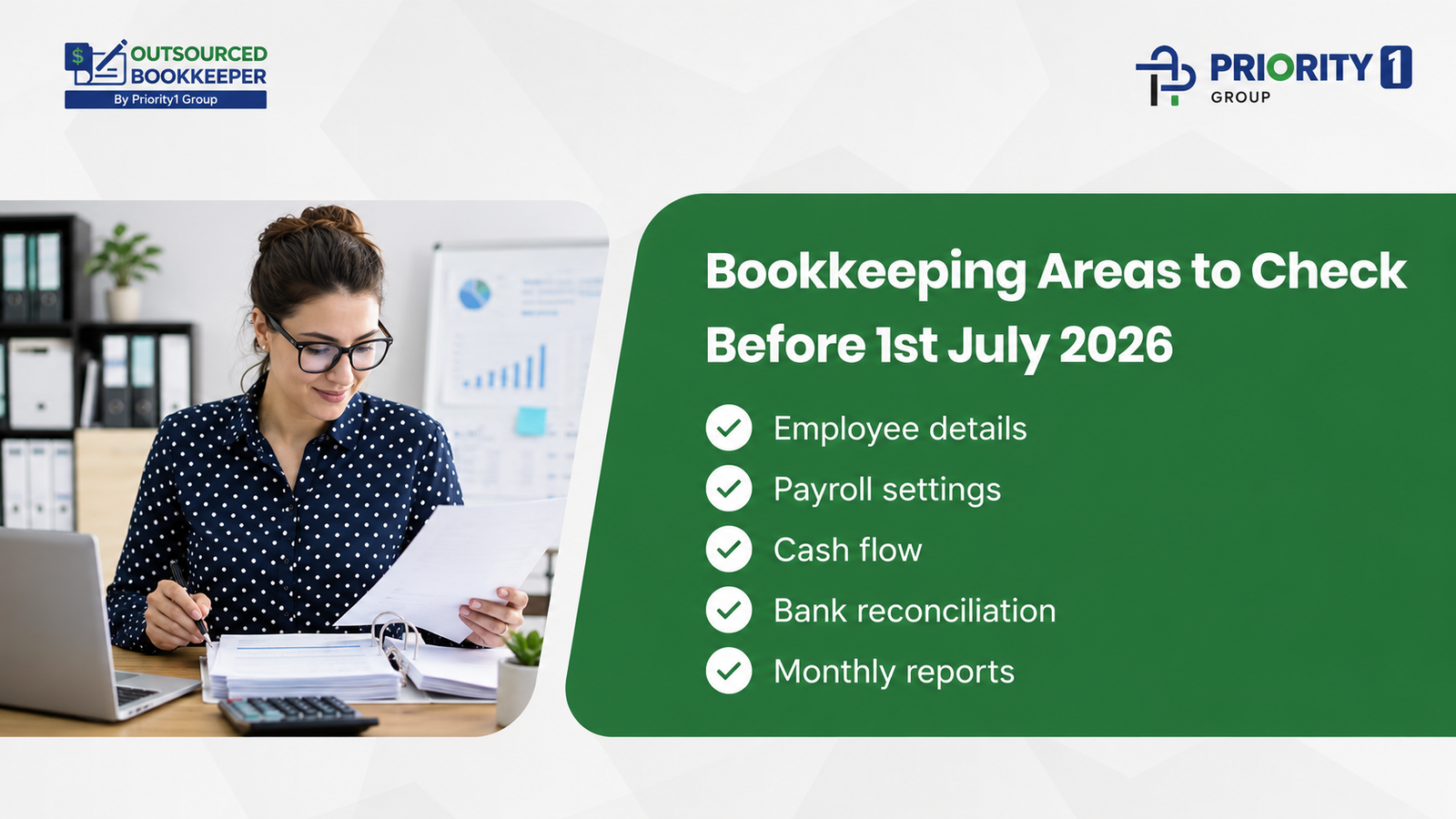
Small businesses should start by checking the areas that connect payroll, super and bookkeeping. You do not need a complicated system. You just need a clear and regular process.
Important areas to review include:
These checks are simple, but many businesses forget them when they are busy. A business may be doing well with sales and customers, but still struggle because the records are not clear.
For example, a cafe may pay casual staff every week, but only review payroll at the end of the month. A cleaning business may have changing staff hours each week, but timesheets may not always match payroll. A service business may pay staff fortnightly, but wait too long to send invoices to customers.
These small gaps can create pressure when payroll and super need to be handled more often.
This is where support can help. Some businesses do not need to hire a full-time bookkeeper, but they do need regular help to keep records clean. Using bookkeeping outsourcing services can help business owners keep payroll, receipts, bank reconciliations, reports and BAS records better organised without hiring another staff member.
Payroll and cash flow are closely connected. Every time you pay wages, money leaves the business. When Payday Super starts, super will also need to be paid closer to the same time.
This means business owners need a clear view of their money. You do not need complex reports. You need simple reports that help you answer basic questions.
Can we cover the next pay run? Are customer invoices being paid on time? Are unpaid invoices causing pressure? Are supplier bills due at the same time as payroll? Have we set money aside for BAS?
These questions matter because many businesses struggle not because they have no sales, but because money comes in too late. If invoices are sent late or customers pay slowly, it can make payroll and super harder to manage.
For example, a consulting business may pay staff every fortnight, but clients may take 30 days to pay invoices. If the business sends invoices late, money may not arrive before wages and super are due.
A trade business may also have changing staff hours each week. If timesheets are not checked properly, payroll may be wrong. If payroll is wrong, super may also be wrong. Fixing this later can take time and create stress.
Bookkeeping helps bring all these details together. It shows what money has come in, what needs to be paid, what is still unpaid and what costs are coming up.
Payroll mistakes often happen when the process is rushed. A business owner may be busy with customer work, staff questions, supplier bills and daily problems. Payroll then becomes something that is completed quickly before the deadline.
This is when mistakes can happen. Hours may be entered incorrectly. Leave may not be updated. A new employee may not be set up properly. Super fund details may be missing. Allowances may be missed.
When super is paid more often, these mistakes may create more admin work.
A simple payroll checklist can help. Before each pay run, check staff hours, leave, new starters, pay changes, deductions, allowances and super details. After payroll is processed, check that bank payments match the payroll report.
This may sound like extra work, but it can actually save time. It is easier to check payroll before it is processed than to fix mistakes later.
A previous blog on the payroll mistakes that cost businesses time and money explains how small payroll errors can waste time and create extra costs. Payday Super makes this even more important because payroll and super will be more closely linked.
Good systems do not need to be fancy. They only need to be clear and followed regularly. A small business can start with simple habits like checking records before payroll, saving documents in one place, reconciling transactions weekly and reviewing reports every month.
The best time to prepare for Payday Super is now. Waiting until the last minute can make the change more stressful. Preparing early gives your business time to fix small issues before they become bigger problems.
Small businesses can start with these steps:
These steps are useful for many types of small businesses, including service businesses, retail stores, trade businesses, healthcare providers, cleaning companies, agencies and consultants.
It is also important to keep receipts, bills, payroll records, bank statements and BAS documents organised. When records are easy to find, your bookkeeper and accountant can work faster and more accurately.
For specialised businesses, clean records can be even more important. For example, this article from NDIS Bookkeeper on bookkeeping gaps that affect NDIS cash flow explains how small record-keeping gaps can affect cash flow and financial clarity in provider businesses.
Many business owners try to manage bookkeeping themselves for as long as possible. This is understandable, especially when the business is small. But as the business grows, bookkeeping takes more time.
More staff means more payroll checks. More invoices means more follow-up. More expenses mean more receipts. More transactions mean more reconciliation. Over time, this can become too much for the business owner to manage alone.
Outsourcing does not mean losing control. A good bookkeeping team should give you more clarity, not less. You still know what is happening in your business, but you do not have to do every admin task yourself.
With the right support, payroll records can be checked, bank transactions can be reconciled, invoices can be monitored, reports can be prepared and BAS records can stay organised.
This is helpful for businesses that do not want the cost of hiring an in-house bookkeeper. Hiring staff means wages, super, leave, training and management time. Outsourcing can be more flexible for small and growing businesses.
Using remote bookkeeping services can also work well because much of the work can be handled through cloud accounting software, secure document sharing and regular online communication. This means you can get support without needing someone in your office every day.
For Payday Super, outsourced support can help your business prepare early. A bookkeeper can review payroll records, check reconciliation habits, organise reports and help you understand cash flow more clearly.
The main thing to remember is this: Payday Super will make payroll timing more important.
Businesses with clean payroll and bookkeeping records will find it easier to adjust. Businesses with late invoices, messy records or irregular reporting may feel more pressure.
You can start by asking simple questions. Are employee records correct? Is payroll software updated? Are invoices sent on time? Are bank transactions reconciled regularly? Are reports reviewed every month? Is there enough money available around payroll dates?
These questions help you understand where your business stands now.
Small improvements can make a big difference. A weekly invoice check can improve cash flow. A monthly payroll report can show wage trends. Regular reconciliation can reduce mistakes. Better receipt storage can make BAS easier.
The businesses that prepare early will have more time to make changes calmly and avoid last-minute stress.
Payday Super starting on 1st July 2026 is an important change for Australian small businesses. It means payroll and super will need to work more closely together.
For business owners, this is the right time to review payroll, cash flow, invoicing, reports, employee details and bookkeeping routines. The goal is not to make things complicated. The goal is to make the process simple, clear and consistent.
Small business owners already carry a lot of pressure. You may be managing staff, customers, suppliers, sales and daily problems. Bookkeeping should support your business, not add more stress.
With the right systems and the right support, Payday Super can be managed in a calm and organised way. If your business is growing and you do not want the cost of hiring an in-house bookkeeper, now is a good time to review your options with Outsourced Bookkeeping by Priority1 Group.